
About The Door
The Door’s mission is to empower young people to reach their potential by providing comprehensive youth development services in a diverse and caring environment. We serve up to 11,000 youth annually across our four New York City locations, including our lower Manhattan and South Bronx youth centers and two supportive housing sites on the Lower East Side. Broome Street Academy (BSA), a charter high school embedded at The Door, enrolls up to 330 students and prioritizes applicants who are experiencing housing instability or have been involved in the child welfare system.
Opening Doors for NYC Youth
Door staff and youth members share why The Door's unique, holistic model is effective in creating a thriving environment for NYC youth to reach their potential. The Door's wraparound support services enable young people to focus on and pursue their dreams for a brighter future while finding a nurturing community.
Our Mission
Our Mission
The Door’s mission is to empower young people to reach their potential by providing comprehensive youth development services in a diverse and caring environment. Since 1972, The Door has created an innovative youth development model to address the complex needs of young New Yorkers. Today, we serve up to 11,000 youth annually across our four New York City locations: our lower Manhattan and South Bronx youth centers and two Lower East Side supportive housing sites.
Our Programs & Services
At The Door, young people between the ages of 12 and 24 can access comprehensive services—health care, education, mental health counseling and crisis intervention, legal assistance, high school equivalency and college preparation services, career development, housing support, arts, sports and recreational activities, and nutritious meals—all for free.
Broome Street Academy
For more about Broome Street Academy (BSA), the charter high school embedded at The Door, see the "About Broome Street Academy" section below.
The Door's Whole-Person Approach
We pride ourselves on offering all of our services in one place. This whole-person approach facilitates building trust with our young people; as such, The Door has had a significant impact on the lives of youth throughout the city for over half a century and counting. In the decades since our 1972 founding, this ground-breaking approach to youth services has served as a model for other, similar organizations locally, nationally, and internationally.
As the needs of New York City youth continue to shift and change, we work hard to shift our services in response.


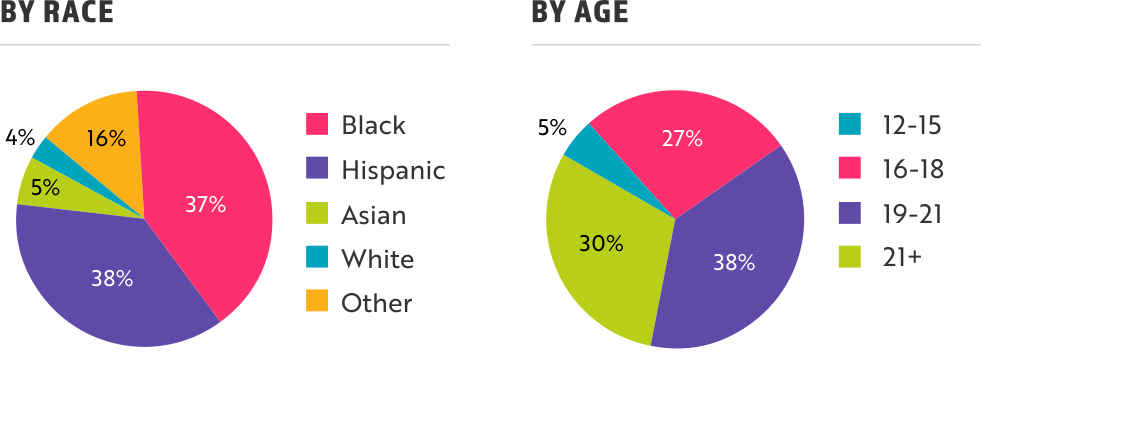
Who Comes to The Door?
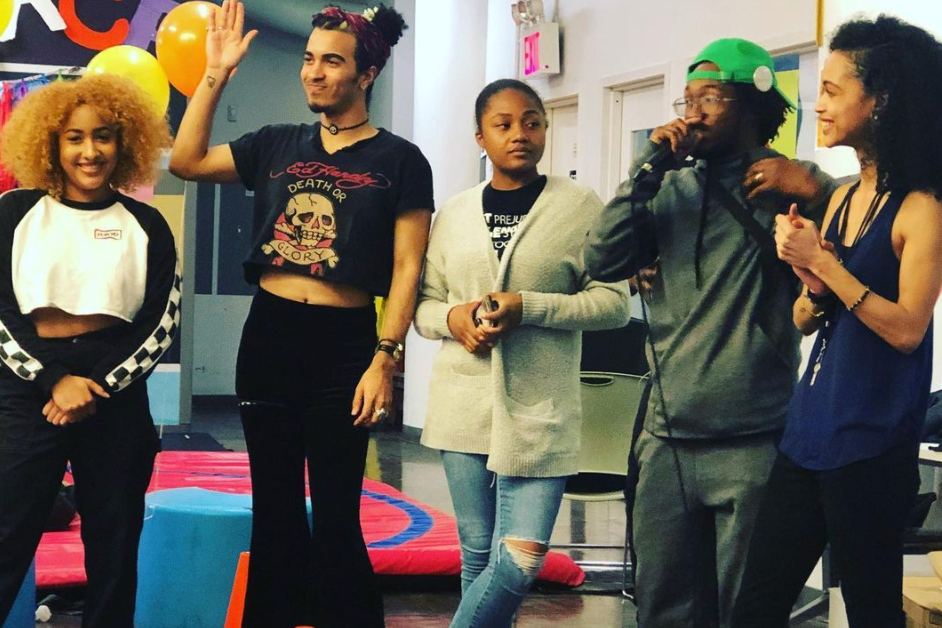
We’re particularly engaged with communities of young people who face disconnection at higher rates—and we’re diverse, like NYC itself.


About Broome Street Academy (BSA)
Housed under the same roof as The Door, Broome Street Academy (BSA) is a tuition-free public charter high school devoted to providing students with the necessary skills and support to graduate prepared for a successful future beyond high school. The wraparound supports provided in partnership with The Door promote student success in school and in life.
BSA opened in SoHo in 2011 as a SUNY-authorized charter high school committed to serving the vibrant and diverse youth of NYC. Today, BSA supports up to 330 students, 9th through 12th grade, from across all five boroughs. Although all students are welcome to apply, BSA’s model is specifically designed to support the city’s most vulnerable young people, reserving 50% of our seats for students who indicate that they are homeless or experiencing housing instability; unaccompanied or without a guardian; or who have been involved in the foster care or child welfare system.
A BSA graduate will possess 21st-century knowledge, collaborative and technological skills, and personal qualities that will enable them to contribute to their community and pursue their educational and professional goals.
Broome Street Academy (BSA) is a charter high school housed on the 4th Floor of The Door. The Door co-founder and former executive director Charles Terry, current BSA teacher Brandon Boyd, recent BSA graduate Shaleece, and current BSA student Quadir share thoughts about BSA's one-of-a-kind programs and partnerships, which enable it to provide both rigorous academics and supportive wraparound youth services that meet crucial life needs, all within a welcoming, diverse, equitable, and inclusive community for its students.
Our History
Many things have changed since The Door opened in 1972. What began as a labor of love with a volunteer staff in an East Village storefront is now a full-fledged organization with close to 300 paid staff and our own building. However, several things remain the same including the tremendous dedication of our staff and the fearlessness of our young people who have the courage to seek support.


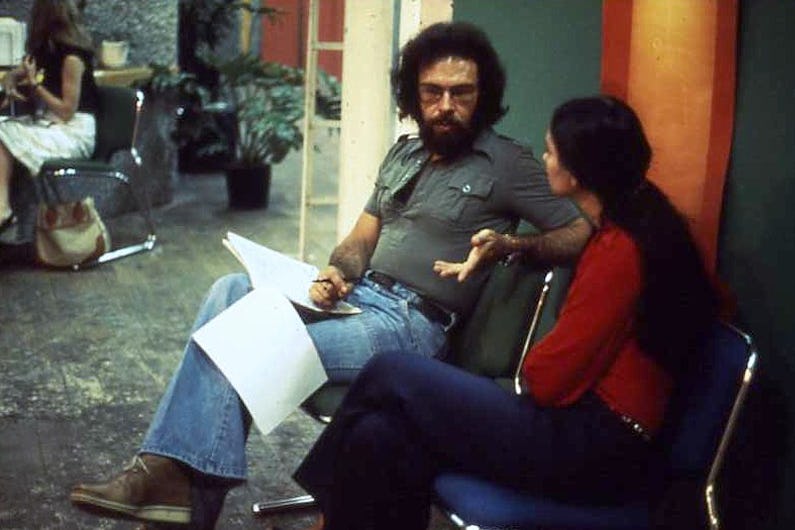
1970s: Addressing An Unmet Need
In 1970, the International Center for Integrative Studies (ICIS) laid the groundwork for addressing major issues affecting the U.S. urban adolescent population. In January of 1972, The Door was established—a groundbreaking integrated model to provide comprehensive services for young people.

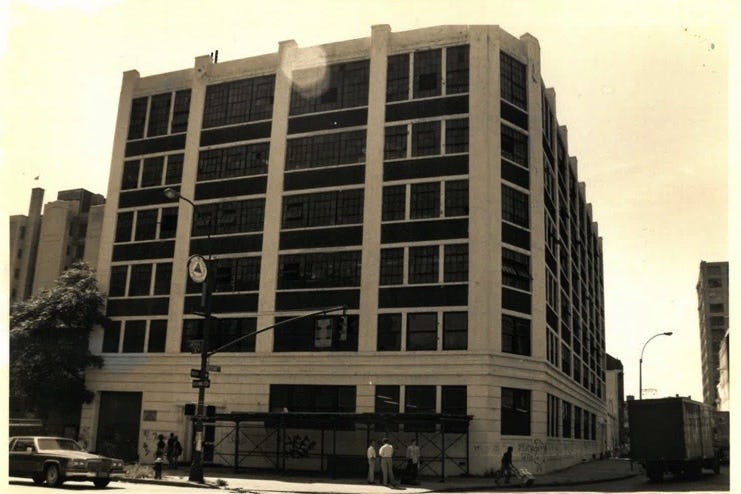
1980s: Moving to Our SoHo Building
The Door moved to its present SoHo location in 1989, where it occupies five floors filled with comprehensive services. Close to The Door’s 20th anniversary, programming expanded to include advanced education programs, such as GED courses and college counseling.

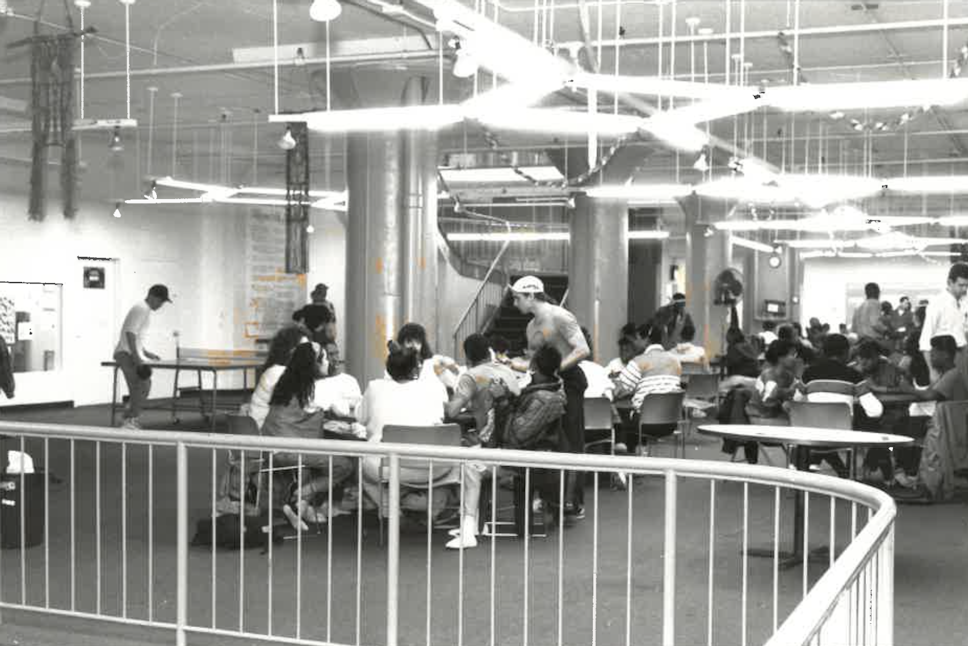
1990s: A Nationally Recognized Model
In the 1990s, the World Economic Forum recognized The Door as one of six premier models for successful youth service delivery, and the U.S. Department of Education and the U.S. Department of Health and Human Services chose The Door as a model program dealing with the pressing needs of children and families in impoverished communities. Programming also grew to include onsite legal services.

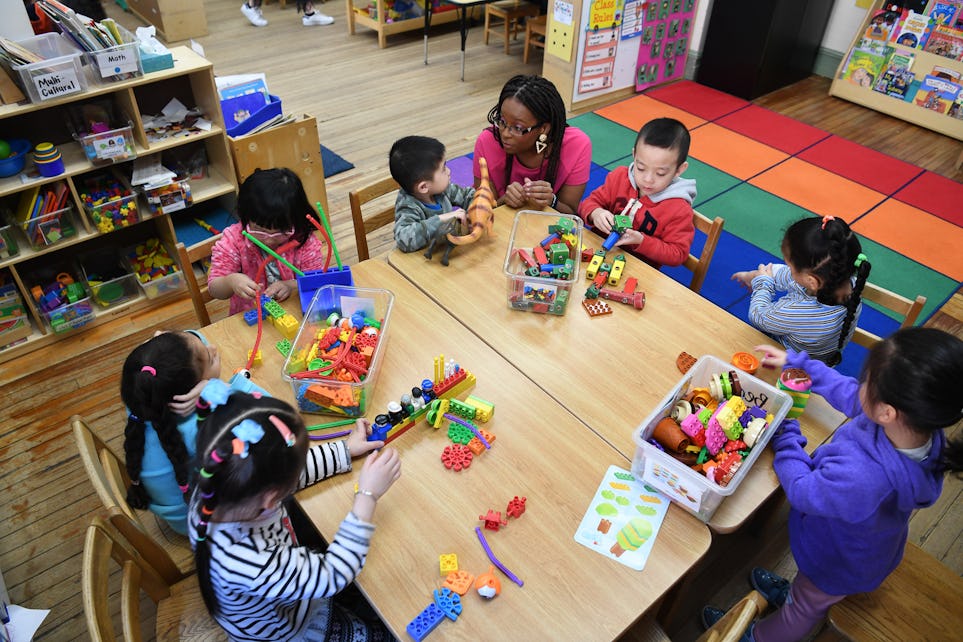
2000: Partnering with Other Agencies
Young advocates traveled to Washington, D.C., to stand up for youth rights, and The Door began collaborations with corporate and government partners, including Gap Inc. and the Centers for Disease Control. The Door also embarked on a groundbreaking relationship, assuming affiliate status with University Settlement, the first settlement house in the U.S.

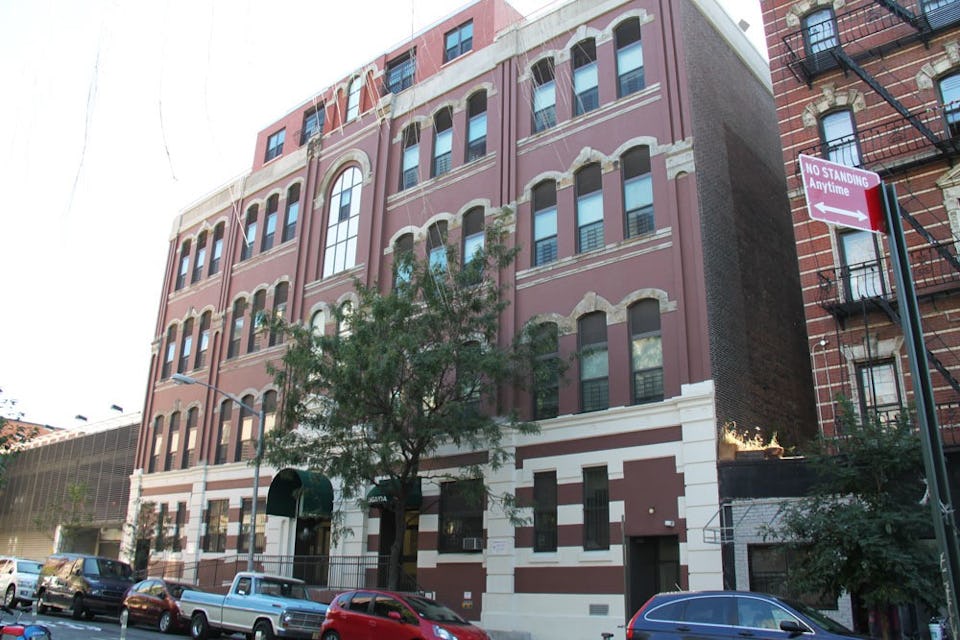
2010: Opening Housing Facilities
In 2010, The Door, in partnership with Common Ground, opened a Lower East Side supportive housing facility. Shortly after, a second East Village facility was opened, expanding our reach well beyond SoHo for supportive services for our Runaway and Homeless Youth programs.

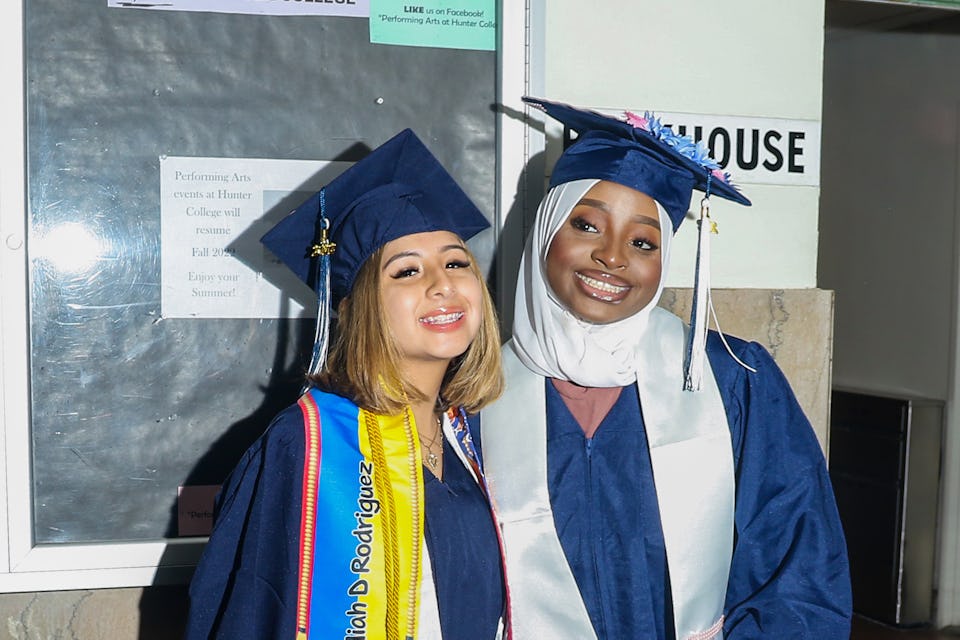
2011: Opening Broome Street Academy
2011 marked the inaugural year of Broome Street Academy (BSA), a public charter high school housed in and run in partnership with The Door, and located on the 4th Floor of the SoHo building.

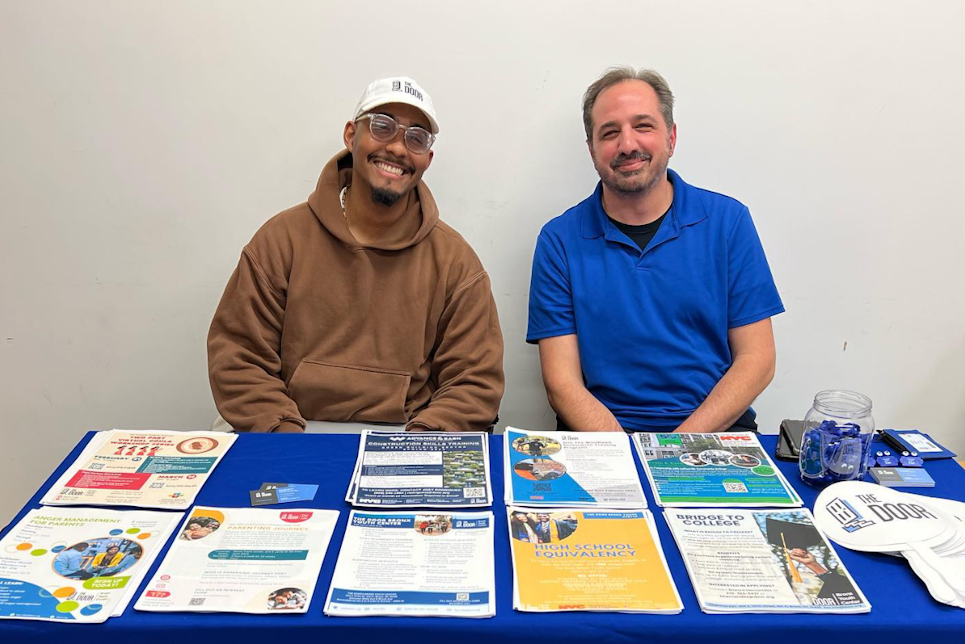
2015: Expanding to the South Bronx
The Door’s Bronx Youth Center (BYC) opened to provide support and services to young people with experience with the justice and foster care systems and youth who have experienced homelessness.

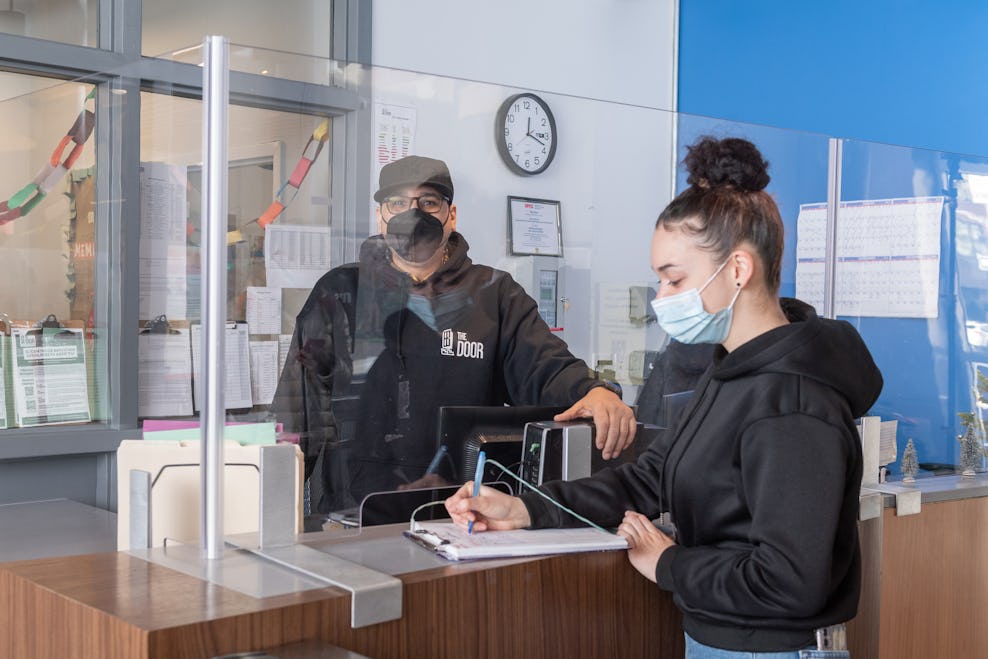
2020: Adapting to Change
In response to COVID-19, The Door offered both virtual and in-person services while maintaining pandemic safety precautions. Innovations included establishing a text line to stay in contact with young people, telehealth visits in our Adolescent Health Center, remote learning for BSA students and our career and education programs, virtual legal representation for undocumented minors, and to-go meals and pantry bags.

2021: Advocating for Immigrant Youth
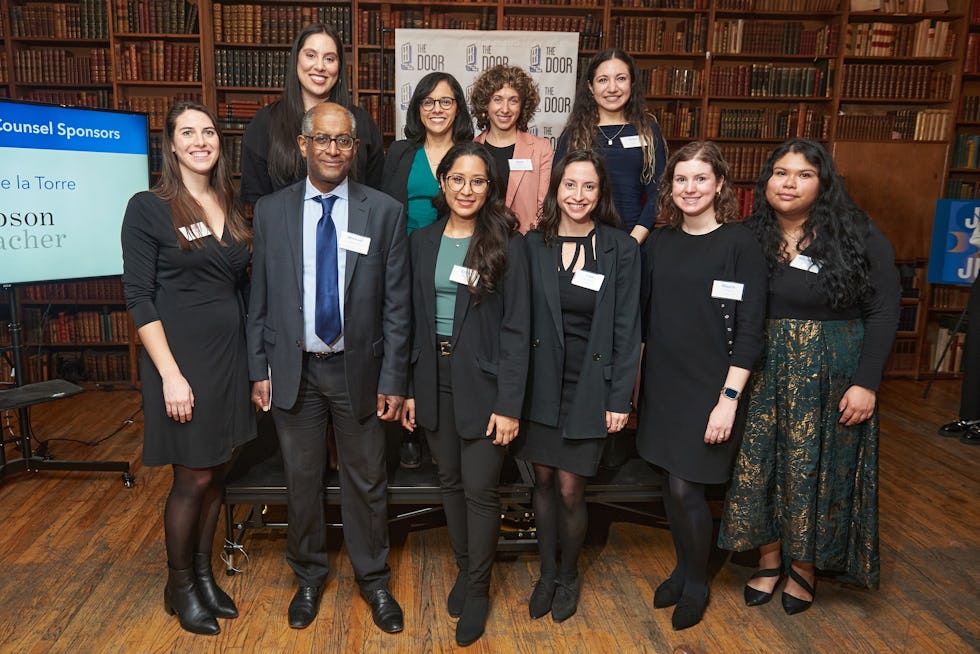
The Door served over 2,400+ young people with legal services in FY21. The incredible rise in the need for immigration support has led to unprecedented growth at our Legal Services Center. Staff now includes paralegals and social workers, and our work has grown to include representation of young people in federal detention facilities.

2022: Growth & Beyond
Broome Street Academy’s Class of 2022 Valedictorian became our first Posse Scholar. In addition, the Bronx Youth Center prepped to move to a new location that enables expanded programming, and our Adolescent Health Center began providing transgender health care services.